
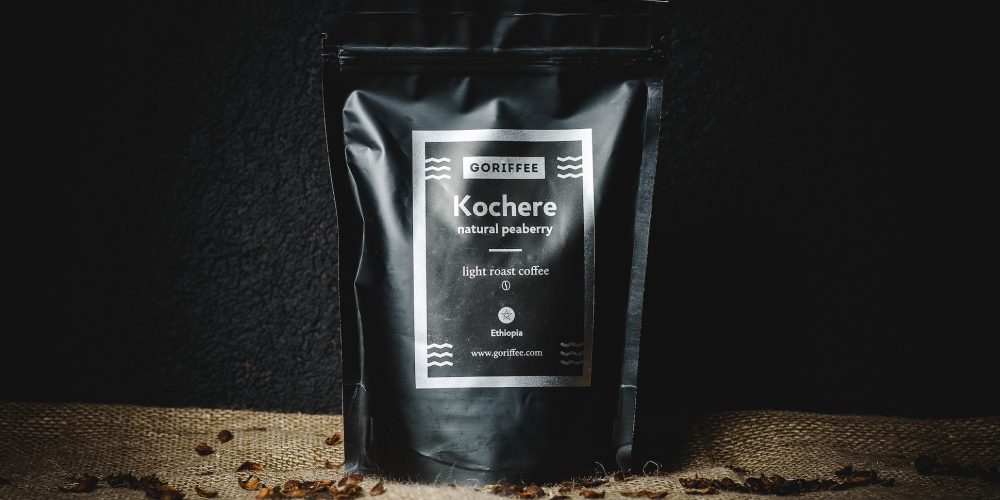
Erik Šimšík, Matej Hambalko and Amir Al Jabri are three friends who founded the Bratislava specialty coffee roastery GORIFFEE in 2013. It began with a partnership and the direct import of Garuka coffee from Rwanda. Today, their range includes coffees from many different parts of the world. They roast fresh coffee every week, and also offer other parts of the coffee plant, such as cascara and dried leaves that make a delicious tea. For more information or to discuss working together, visit www.goriffee.com or stop by their café at the Goethe-Institut on Panenská Street in Bratislava.
That is where we met Erik, who told us more about Goriffee and where it is heading…
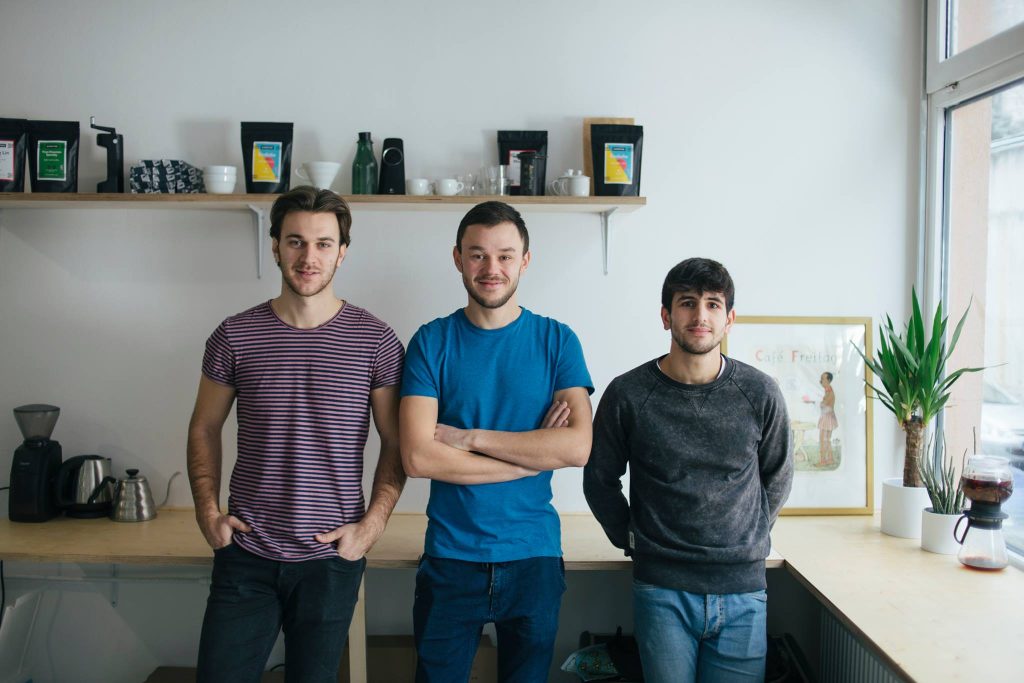 What always interests me most is how the idea of starting a coffee business first comes about. Tell us how Goriffee began.
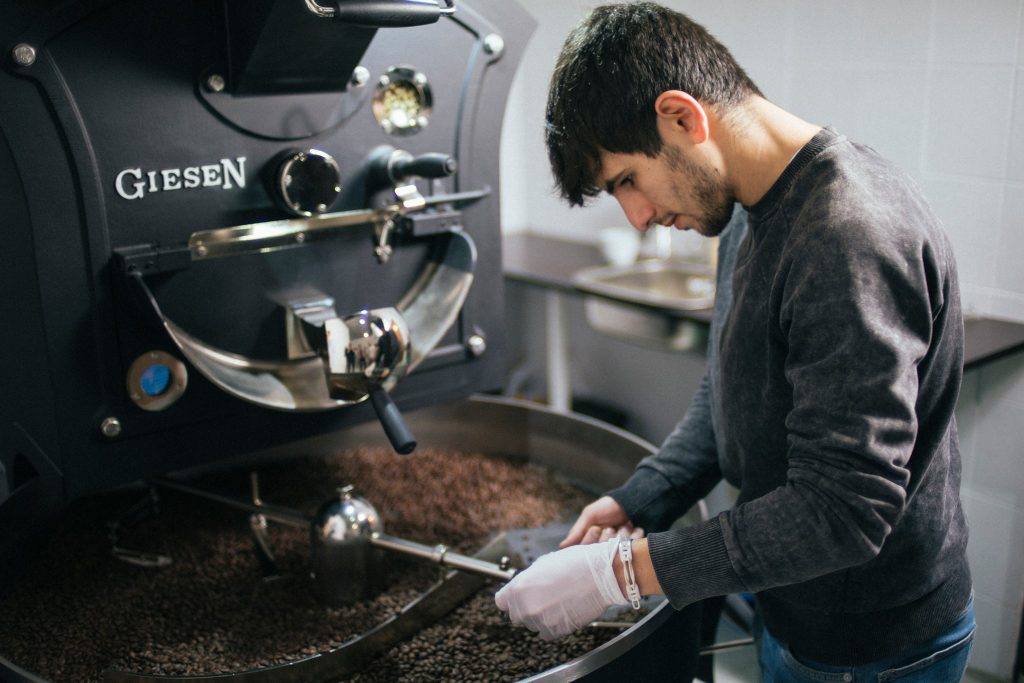
It started in 2013. I had never liked coffee. All my life, I had been used to the traditional Slovak routine of drinking Italian blends with cream. It was only on my travels in Rwanda that I discovered the real taste of coffee — good specialty coffee. A cup with a pleasant, clear flavour that makes your day better rather than leaving you feeling unwell. When I returned, we spent a long time talking and thinking. Amir was always saying that he wanted to work with coffee and tea and bake bundt cakes. (laughs) We all wanted to start a business. Eventually, we decided to import already roasted Garuka coffee from Rwanda. People liked it, but we knew we had little control over its quality or freshness. We had neither a roaster nor any experience. That is why we are grateful to Čierna Perla roastery, which opened its doors to us. With their help, we could begin roasting our own profile and learning the craft. We also started with darker roasts, but today we lean more towards lighter roasting. We bought a roaster, set up our own roastery and can now offer our customers a product over which we have 100% control.
Where does your coffee come from, and how do you bring it to Slovakia?
We base our green coffee purchases on direct trade, combining our own contacts with trusted European wholesalers who also work directly with farmers. Ideally, it starts with a trip to the country, where we find new partners ourselves. Often we work with cooperatives because many farmers are too small to export their coffee independently. That is how we work with the Koakaka and Muyongwe cooperatives. We select lots with flavour profiles we like, then import and roast them here in Bratislava.
We also use our Goriffee Lab platform as a way of giving something back. We are currently involved in processing cascara with the Huye Mountain cooperative in Rwanda. It is not an easy process in terms of either time or money. Producing good cascara is as much of an art as producing good coffee. The whole point, however, is connecting producers. We want them to understand that they can earn money from something they are currently throwing into the compost…
You have almost four years in business behind you. What comes next?
We are always trying to move forward. Next, we plan to bottle our own cold brew and cascara lemonade, and we are also planning a new café in central Bratislava. We have never been overambitious, but we know that competition is growing and we do not want to rest on our laurels. Slovakia’s café scene has developed enormously in just a few years, and even traditional mainstream customers now have plenty of choice. They can also distinguish between different levels of quality, both in coffee and in service. For us, though, our love of coffee and our desire to do the best we can will always come first.
 What kind of barista would you like to see behind every coffee machine?
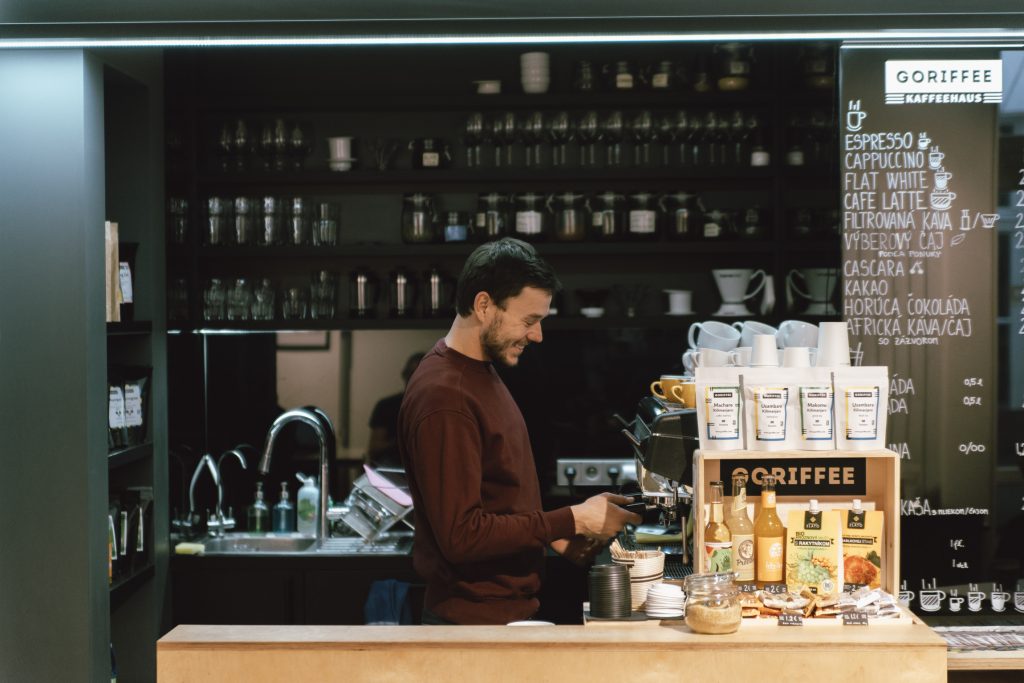
Someone happy, who contributes positively to the atmosphere of the whole venue. To me, that is the most important thing. Often, it is what makes guests forgive small shortcomings or mistakes, simply because they feel comfortable with you. Of course, a barista should also be organised, tidy and able to maintain quality in any circumstances. I learned many interesting things on my travels through Asia this year. For example, part of preparing coffee in Japan is the need to leave stress at the door. Your emotions find their way into the flavour of the coffee you make…